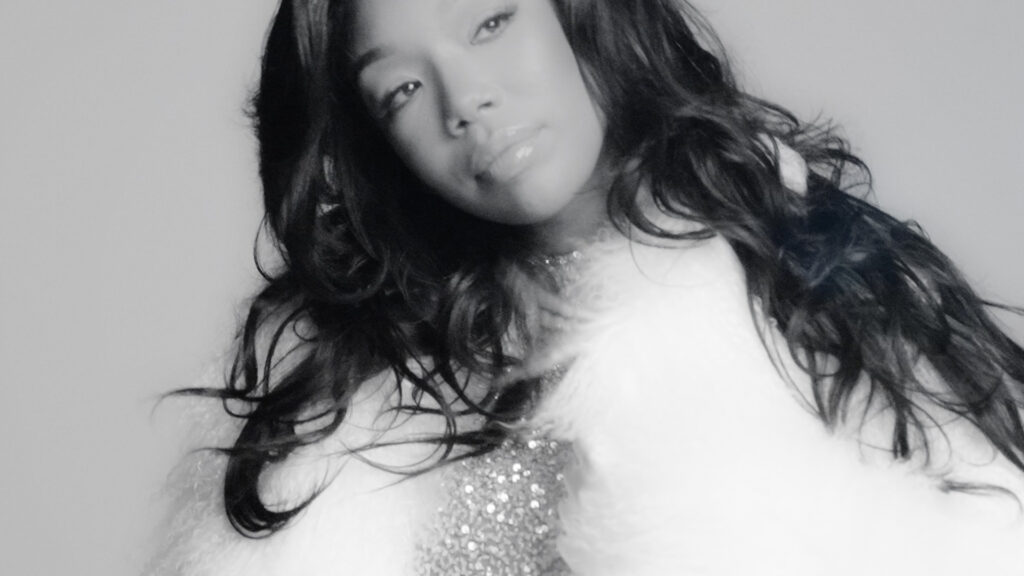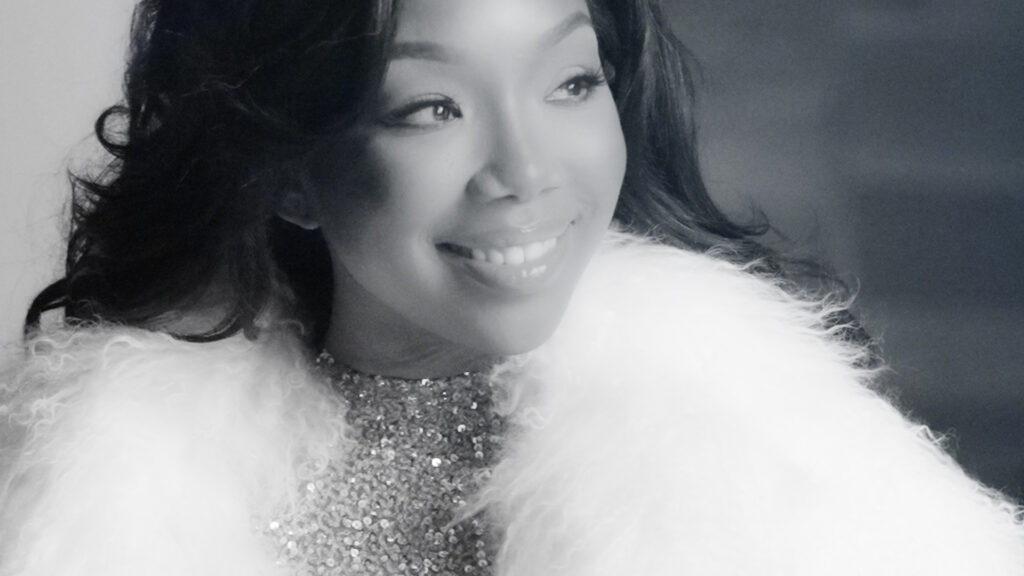
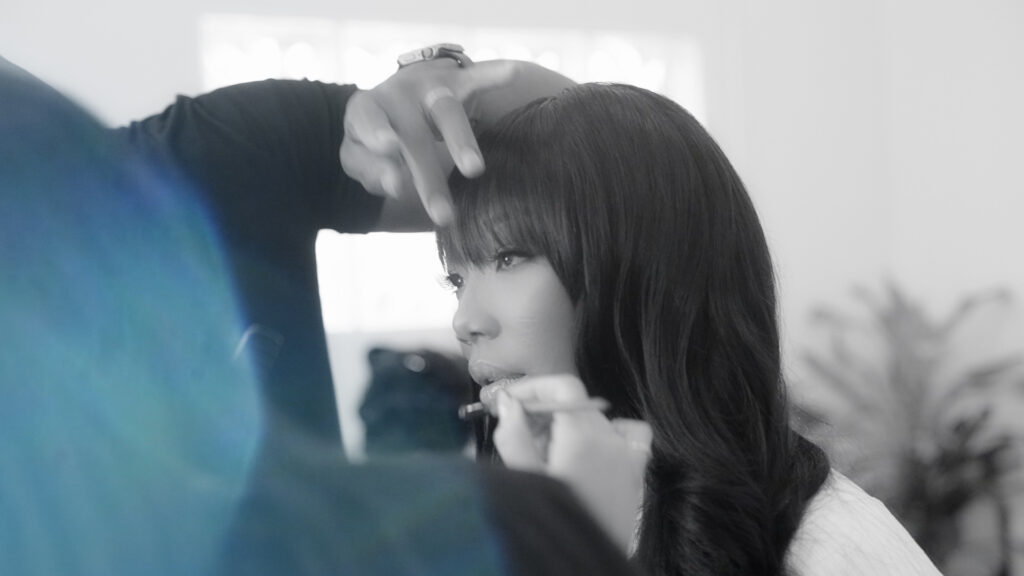
Behind The Scenes of A Live Show

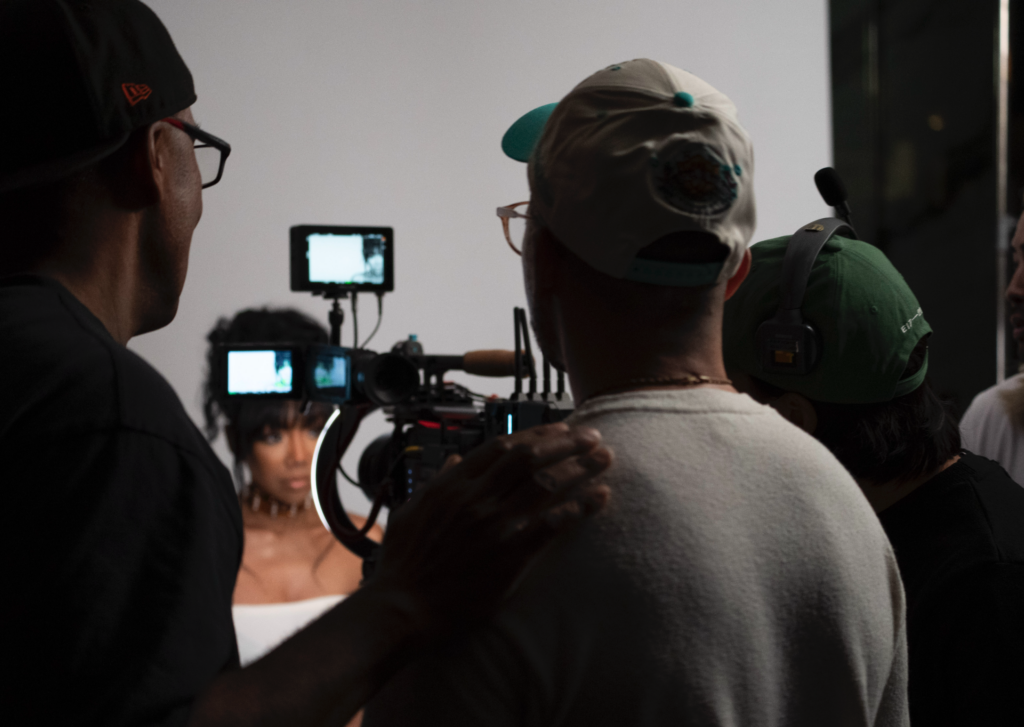
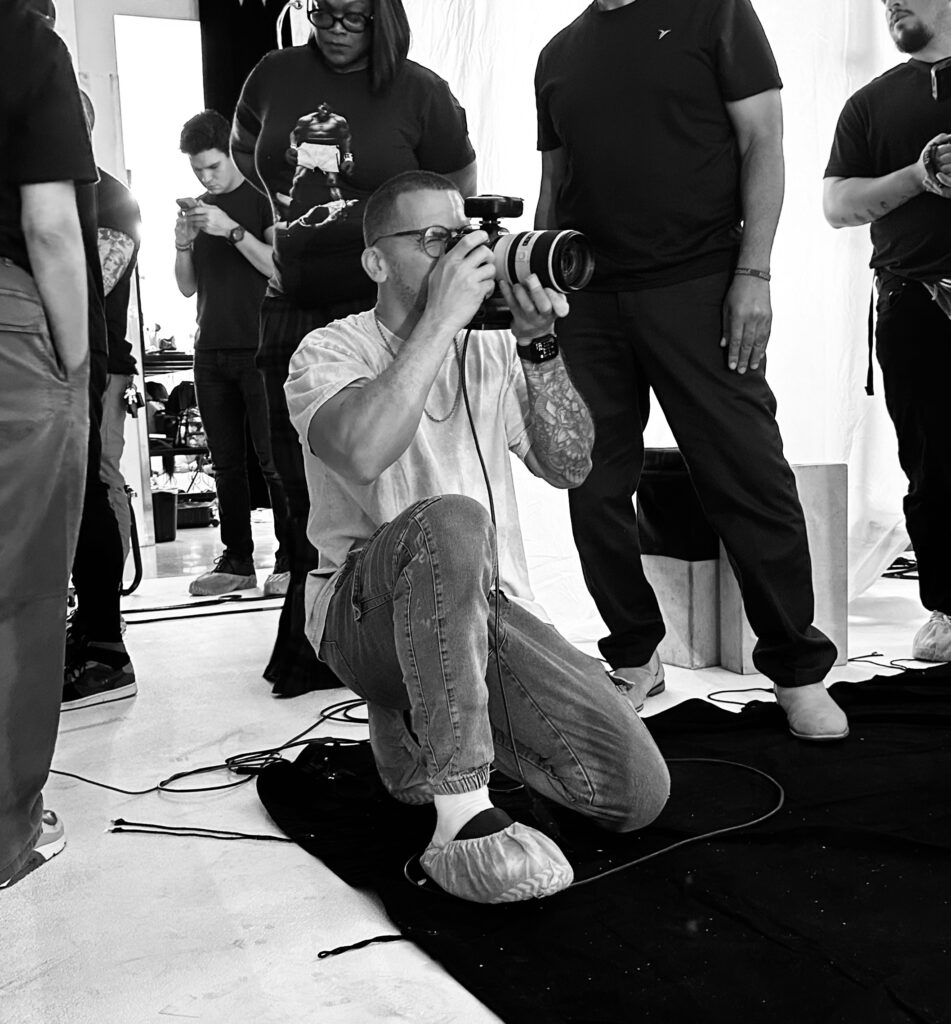
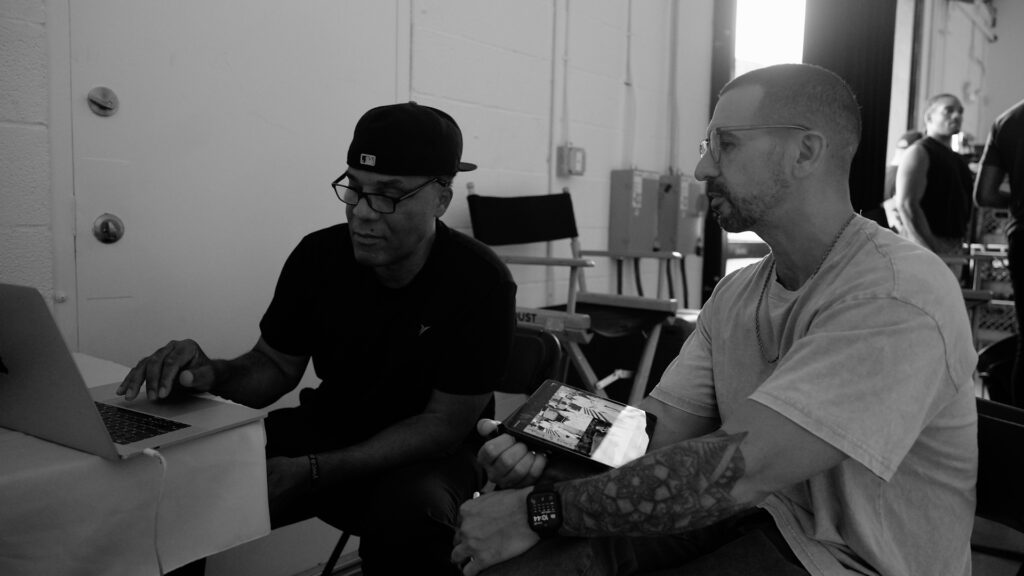
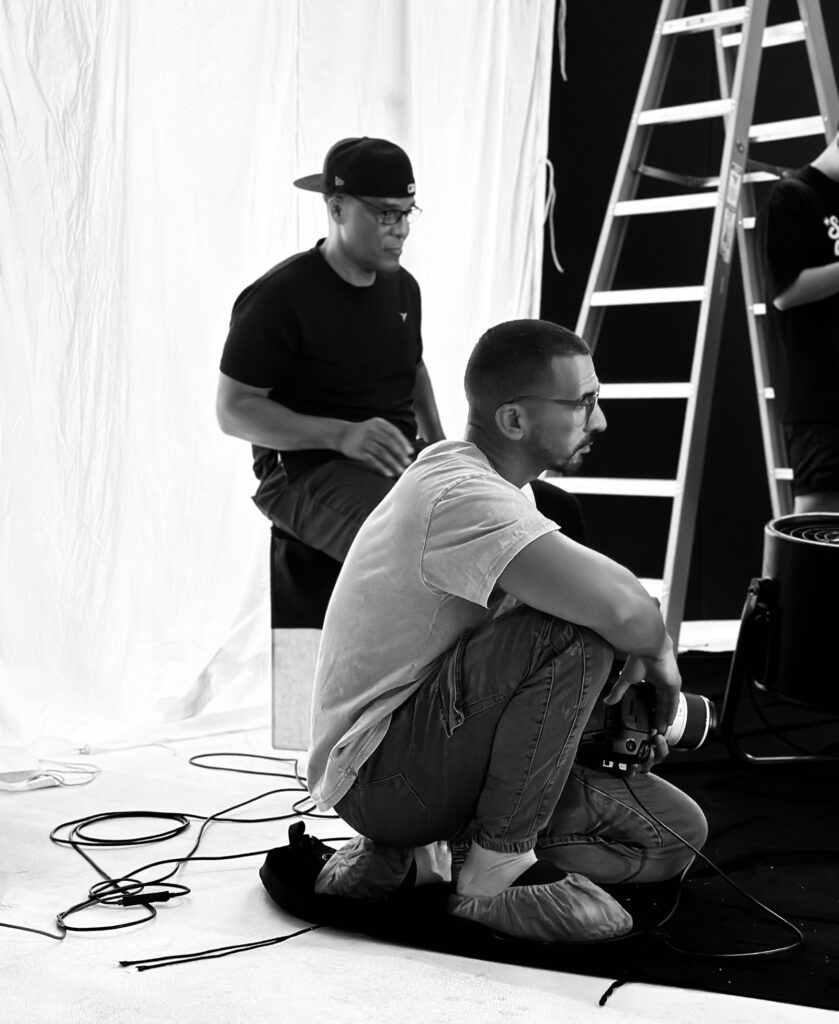
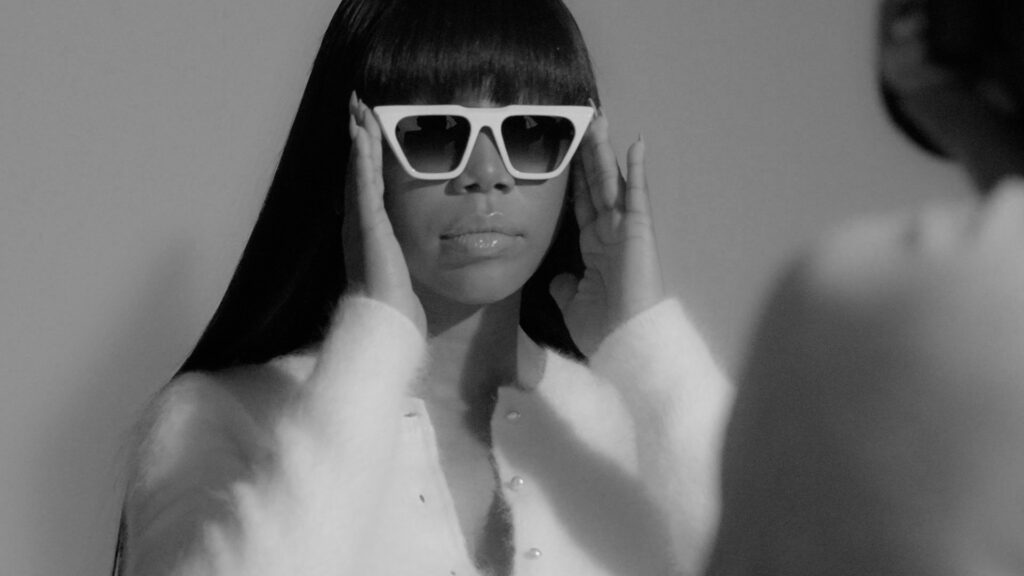
What started as a routine day filming behind the scenes of Brandy’s highly anticipated REWIND performance at Roots Picnic 2026 turned into an unexpected look at the making of a live production.

After countless hours of rehearsals and preparation leading up to the festival, filmmaker William Sikora III was on site documenting the fast paced action behind the curtain. In the middle of the excitement, his phone was accidentally left recording inside his shirt pocket, creating an unplanned first person view of the organized chaos that unfolds backstage during a major live event.

The result is what Sikora jokingly calls “the behind the scenes of the behind the scenes.” The candid footage offers a fun glimpse into the nonstop movement, teamwork, and energy that go into producing a performance of this scale.

Brandy’s REWIND show was one of the highlights of Roots Picnic 2026, showcasing the dedication of an incredible talent while celebrating the music that continues to inspire audiences around the world.

Sometimes the best moments aren’t the ones you plan. Sometimes they’re the ones you accidentally leave recording.

You can watch the recap here:

A New Animated Short with a Powerful Message

“Sal” began with a simple question: What would the world look like through the eyes of one of the smallest creatures living in a redwood forest?
The film written and directed and created by William Sikora III, follows Sal, a tiny salamander whose peaceful life unfolds deep within the ancient redwoods of Northern California. Rather than focusing on human characters, dialogue, or narration, we wanted audiences to experience the world from ground level, where every stream feels enormous, every fallen branch becomes an obstacle, and every sound carries meaning.

The core creative goals behind “Sal” were scale, emotion, and perspective. We wanted viewers to feel the overwhelming size of the natural world through the eyes of a creature that exists near the forest floor. At the same time, we wanted to create an emotional connection to the countless animals that share these ecosystems and often go unseen. By telling the story through Sal’s perspective, audiences experience events not as distant headlines or statistics, but as a personal journey.

“We live in a time where our world is being destroyed in front of our eyes and we feel helpless to stop it. But there are things we can do to make this world a better place, protect what remains.” Sikora said.

The production was created using a combination of artificial intelligence tools and traditional filmmaking techniques. AI was used to help generate and refine visual elements, while story development, shot design, editing, retouching, vfx, pacing, sound design, and emotional storytelling remained guided by human creativity throughout the process. The technology allowed a small independent production to create a rich cinematic experience that would have otherwise required significantly larger resources.

Visually, “Sal” draws inspiration from classic animated storytelling. Great care was taken to create a world that feels immersive, emotional, and grounded while maintaining a distinct artistic identity.

At its heart, “Sal” is a story about perspective. Through the eyes of one small salamander, the film encourages audiences to consider humanity’s relationship with the natural world and the lasting impact our actions can have on the creatures and ecosystems that surround us.

"I hope "Sal" inspires viewers to look more closely at the world around them and recognize that even the smallest lives can tell powerful stories." Sikora said.

Little Paw Soundtrack Out Now

Relive the adventure with the official soundtrack, plus new music inspired by the film. The world of Little Paw continues through its music, carrying the emotion of the story beyond the screen and into something you can return to anytime. At the center is “Home,” written by William Sikora III, a song that arrived instantly and connected deeply to the film’s emotional core, reflecting the journey of stepping into the unknown, discovering independence, and feeling that quiet pull toward belonging. The soundtrack features three versions of “Home,” each offering a different tone while staying rooted in the same feeling, with the original version delivering a cinematic and intimate experience tied closely to the film, the folk version bringing an organic, grounded energy that echoes the natural world, and the Spanish version expanding the reach of the song while carrying the same emotion across language. Alongside it, new music inspired by Little Paw extends the atmosphere and tone of the story, creating a fuller experience that lives alongside the film.

As Sikora shares, “This was such an amazing experience creating the soundtrack, from a melody singing into the mic, I turned that into a fully composed suite of music, covering the highs and lows, the scares and the soft hugs, the music really helped drive the story of Little Paw and I was absolutely set on releasing it on its own. ‘Home’ itself is one of my most favorite, if not favorite, songs I’ve ever written, it means so much to me and fills me with joy.” 

The official Little Paw soundtrack is out now on all music platforms.

Sikora Entertainment also joins the music streaming world for the first time. The official artist account will feature music from current and upcoming films and more. “We are so excited for this new opportunity to share our art in the music world.” Sikora said.

For Sikora Entertainment artist management and requests please email willsikora@gmail.com or will@sikoraent.com


Director William Sikora III Talks ‘Little Paw’

Flix Movies sits down with William Sikora III, the director of Little Paw to talk about everything from the idea to the future of his newest little furball. Christian Montenegro hosts the exclusive interview. If you haven’t watched Little Paw yet, you can watch it here.

Finding The Light

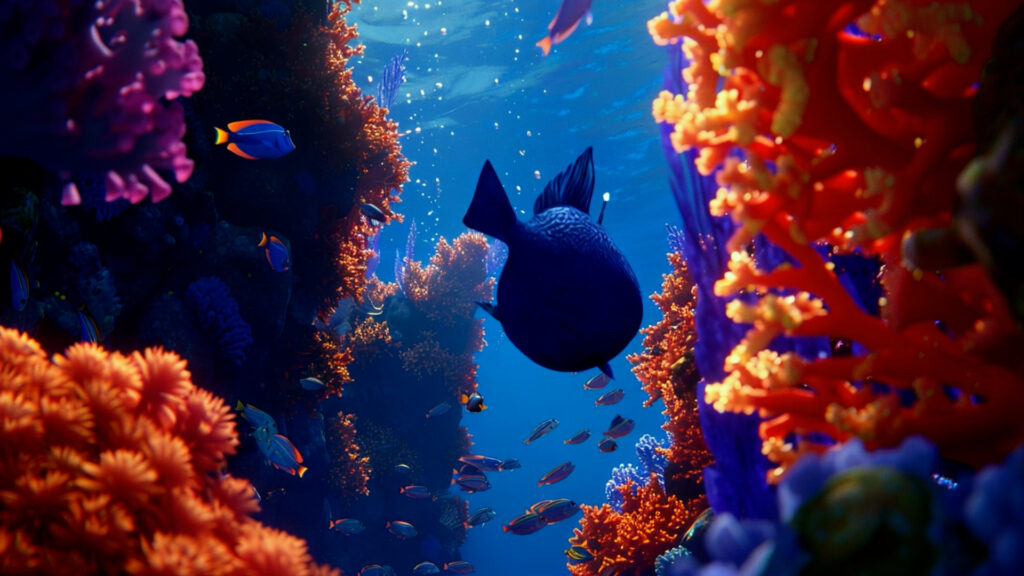
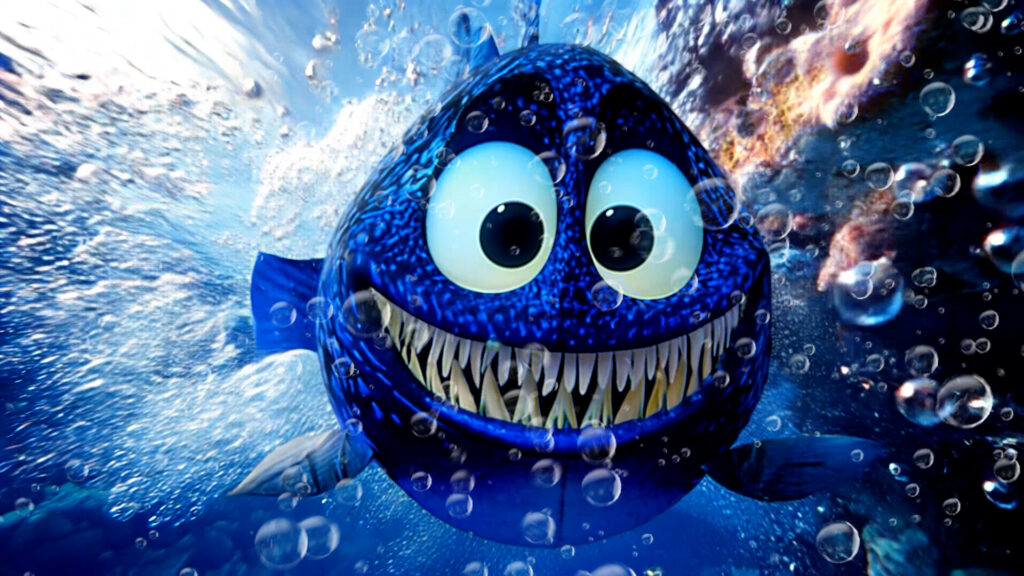
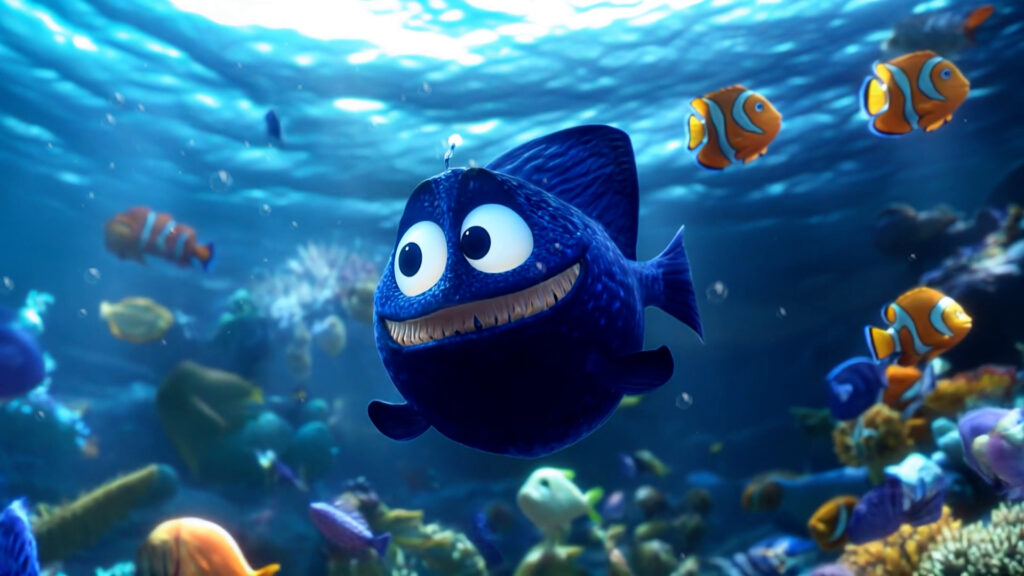
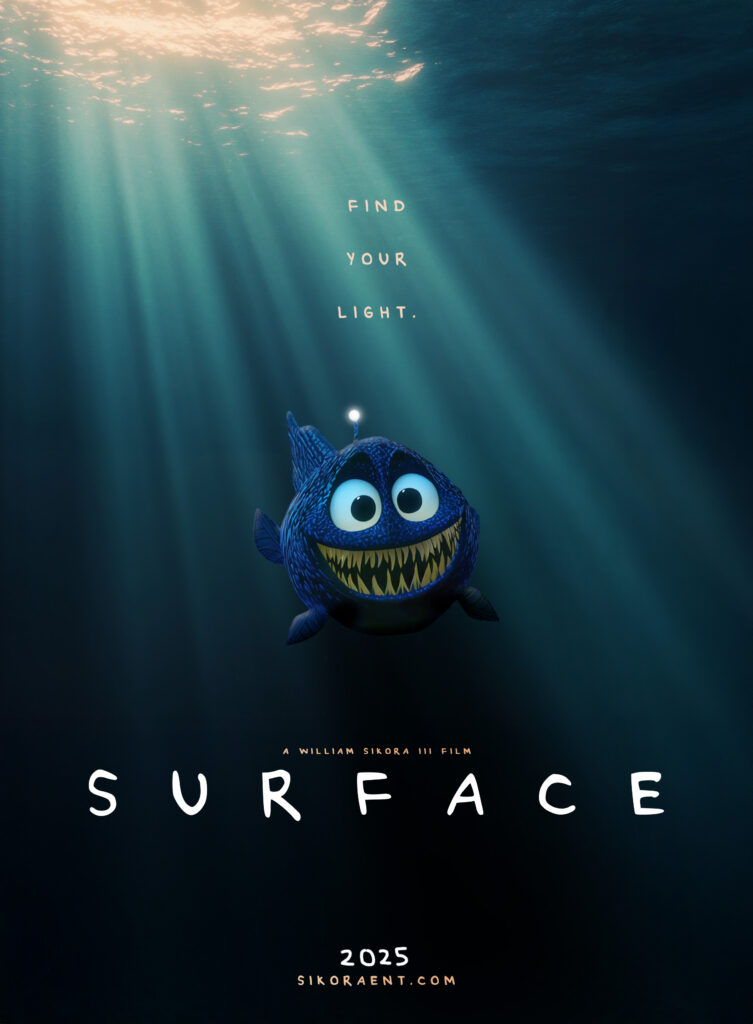
When an anglerfish—one of the ocean’s most mysterious creatures—was discovered unexpectedly surfacing from the deep, it sparked the idea for Surface. Inspired by this rare phenomenon, filmmaker William Sikora III set out to craft an emotional, visually stunning animated short that blends technology, artistry, and storytelling. In this interview, he shares the creative journey behind Surface, the challenges of bringing Lumi’s world to life, and his thoughts on the evolving role of AI in filmmaking.

What inspired you to tell this story about an anglerfish? Is there a real-life connection or something symbolic about this creature?

When the world heard the news of this fish that lives on the bottom of the ocean in complete darkness 24/7 traveled to the surface for whatever reason it immediately sparked ideas in my head. Why did the anglerfish swim up? Sources stated different reasons but I wanted to go with something that was gonna be inspiring.

The visuals in Surface look stunning. What was your approach to designing the underwater world and the anglerfish itself?

I wanted to create a void of loneliness visually, the beginning is so empty and Lumi is alone, it feels desolate. When Lumi discovers the world above, it’s vivid and alive, there is so much to see. Also, with the character, he looks very dark and his colors become more saturated as he rises.

You used Midjourney, the full Adobe Suite, and Kling AI. How did these tools shape your creative process?

I am a lover of technology and advancing my craft, so I am always on the lookout for what’s new out there. Midjourney is an incredibly powerful image creation tool, it helped bring my imagination to life with the world. After creating images, they would then have to be animated and I used Kling for that. The process of combining all of these tools was a lot of work. The anti-AI folk out there think it’s a single click effort but this took over 50 hours of work, lots of layering and After Effects work to combine stuff, add overlay elements and so much more, it was a huge undertaking that I honestly didn’t anticipate but am really happy with the final product, I challenged myself. I definitely have a lot to say about the anti-AI movement. There is so much that goes into a short like this. Who is directing it? Who is coming up with the creative ideas? Who is writing it? Who is editing? AI is a tool not the sole creator of something. As you may know, I have done lots of animation in the past, all by hand. This film still utilized the same skills I used before. There are shots here that are pretty much all After Effects, a very tedious program that doesn’t even use AI. Overall, the combination really helped bring my imagination to life and that’s all that matters to me as an artist.

What were the biggest technical challenges in animating the film?

I think it’s obvious, the AI tools are in their infancy. We are a ‘caveman era’ in AI filmmaking. There were many limitations I came across but I understood that and had to workaround a lot of things to try and make it work. I know the results aren’t perfect but that wasn’t the point. I can’t wait to look back at this film in 5 years and see the growth as an artist. I had countless outputs that were 100% unusable, Lumi would go crazy on screen and look warped out; it is a skill in itself to be able to wrangle the AI and have it work in your favor. I’ve seen a lot of what they call “AI slop” and I wanted to make something that didn’t feel like that. I wanted audiences to focus on the story and the emotion of the character. Story will always be first. Stories have been told in so many different forms, AI is just another and it will only get better in time.

Emotion seems to be a core element of the film. What message or feeling do you want the audience to take away?

I want them to feel what Lumi felt, we all live in the same world and growing up we try to find where we fit in, what makes us happy. We all have goals, we all want to have friends and feel welcomed; this story reflects that desire in Lumi. The movie poster says ‘find your light’ and that message is for everyone, this isn’t a kiddy film, I believe any age can relate. That’s something I’ve always set out to capture in my work.

What was the most rewarding part of making this short?

Sticking with it! You wouldn’t believe how many bad outputs I had to go through, even in it’s near final form, I learned some new workarounds to make the character more consistent, I ended up redoing 70% of the characters shots in the final day of production. Previously, those shots took me 20+ hours to do and a lot of money. Working out ways to bring my ideas to life is so rewarding. I have an even bigger film I have been working on that is over 10 minutes long, it’s epic. Everything I learned here with “Surface” is going to help me now jumping back into production of this new film and I can’t wait to share!

The Disease of AI

AI is often seen as a “disease” in the creative world, raising fears that it could one day replace human-driven art. But at Sikora Entertainment, we see AI as a tool to enhance our creativity rather than a threat. We use it for fast visualizations, background textures, and even rough concept designs, which helps us build ideas and experiment with different possibilities quickly. Human art will always be.

Instead of taking over, AI frees us from repetitive, technical tasks, allowing the focus to be on the human-centered storytelling and emotional impact that bring our work to life. This approach creates a balance where AI takes on supportive tasks, while our team injects the vision and originality that make each project unique. It’s about using AI to expand what’s possible in filmmaking, not to replace our roles.

By treating AI as a collaborator, not a competitor, we’re able to push creative boundaries and explore fresh possibilities in storytelling. Rather than fearing the future, we’re using AI to inspire it.

“It’s all in how we use it: AI can fuel our art just as much as it challenges it.  I hope you enjoy this little work of art I call DISEAISE.”

On The Set Raiding Tombs

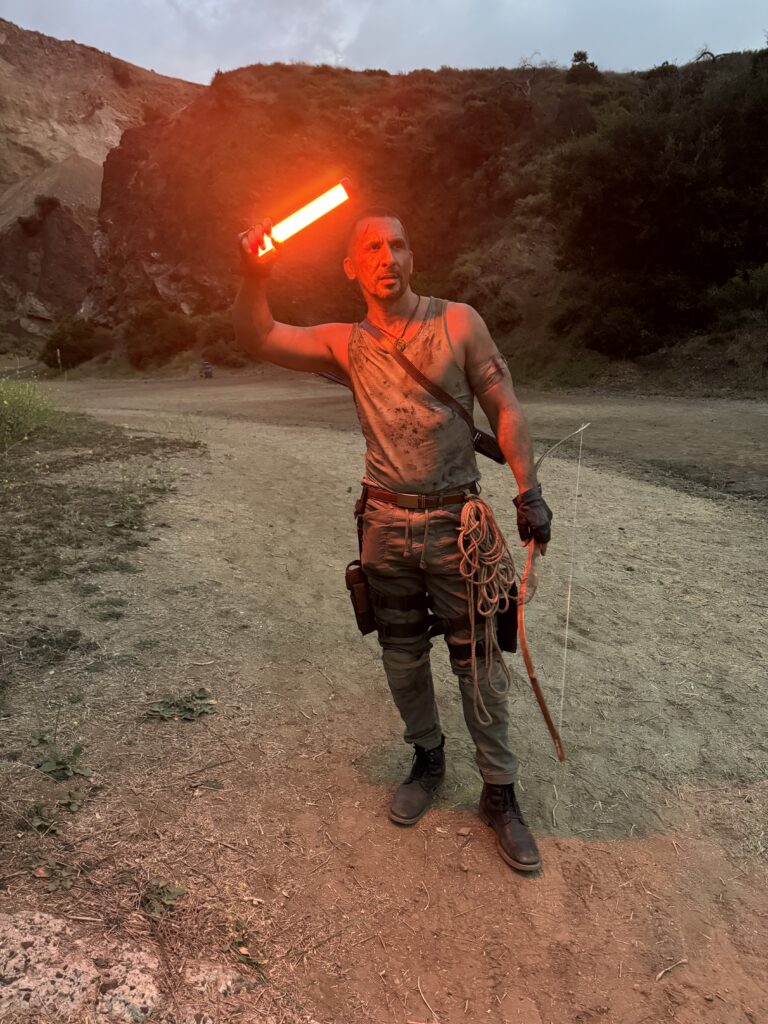
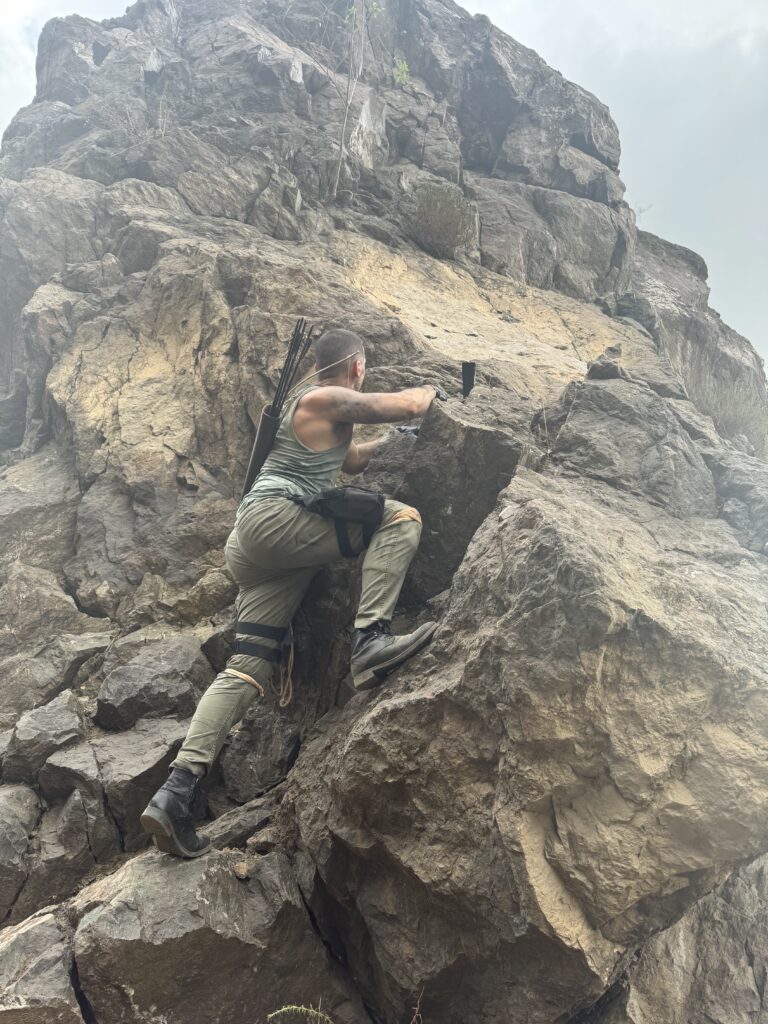
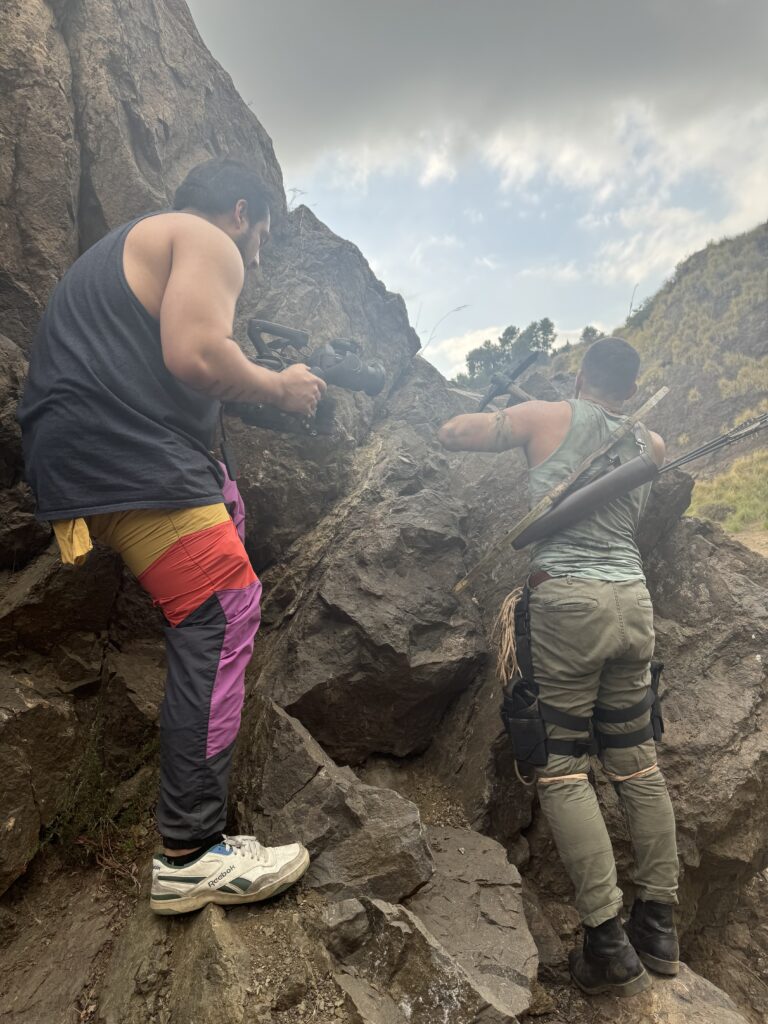
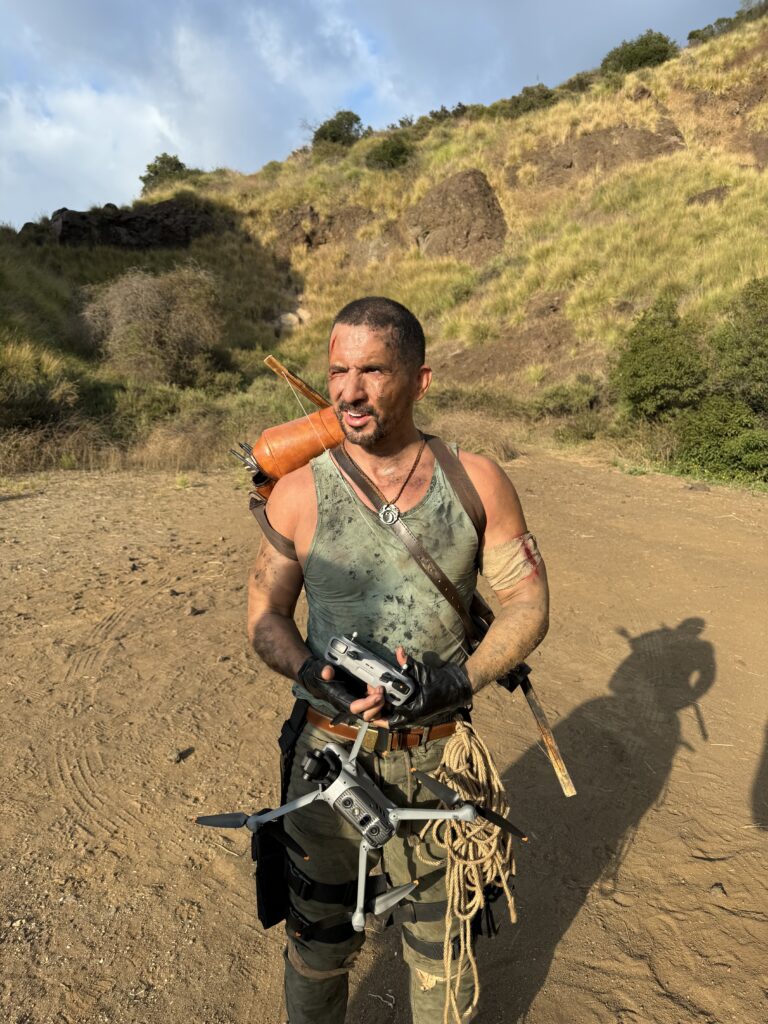
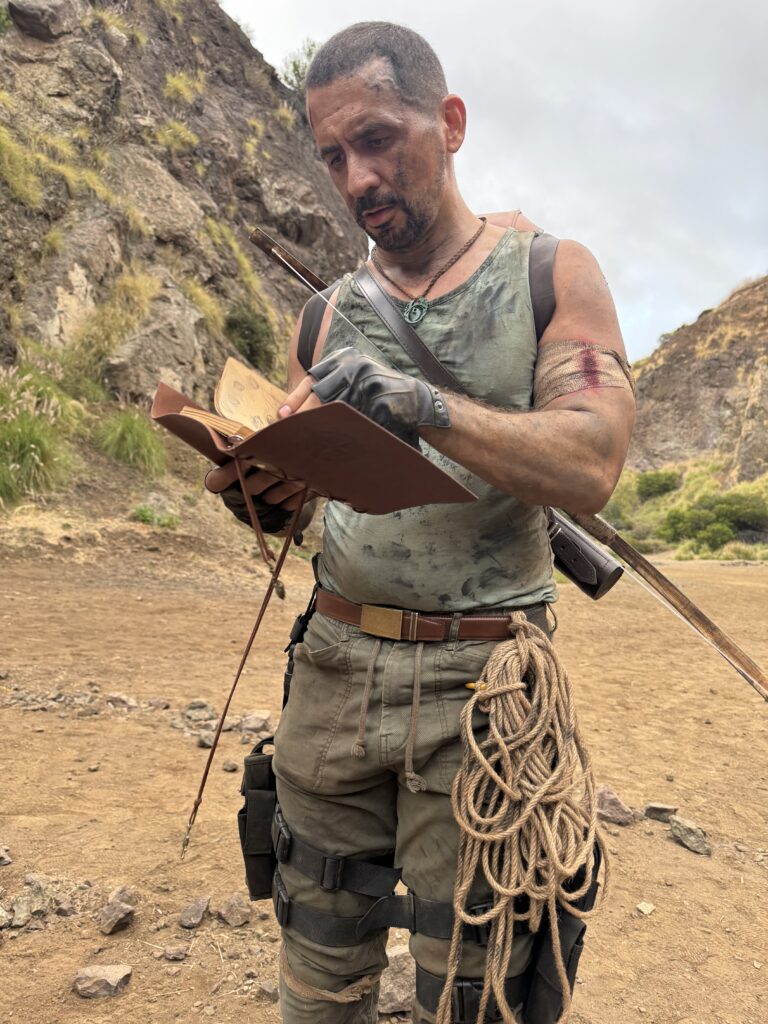
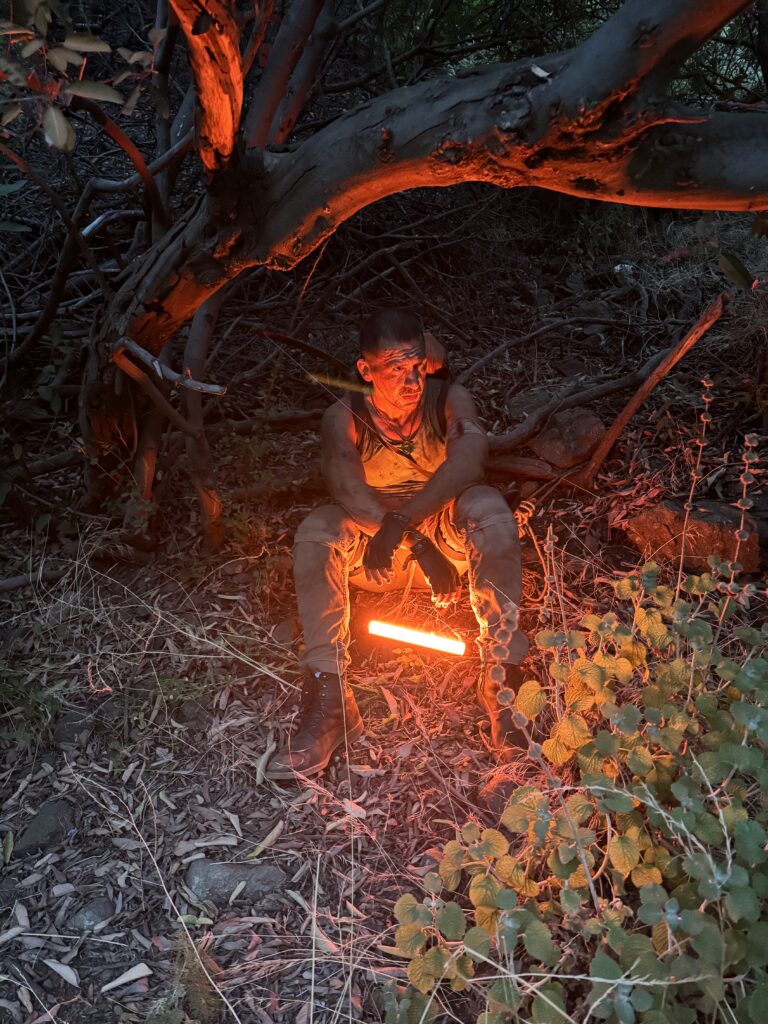
Go behind the scenes on the set of TOMB RAIDER: BORN OF GOLD and see how it was made.  Director and star William Sikora III takes it to the next level in this dirty, sweaty, exhausting adventure. You can watch the full film here.

Behind The Scenes with Brandy

William Sikora III and Brandy Norwood

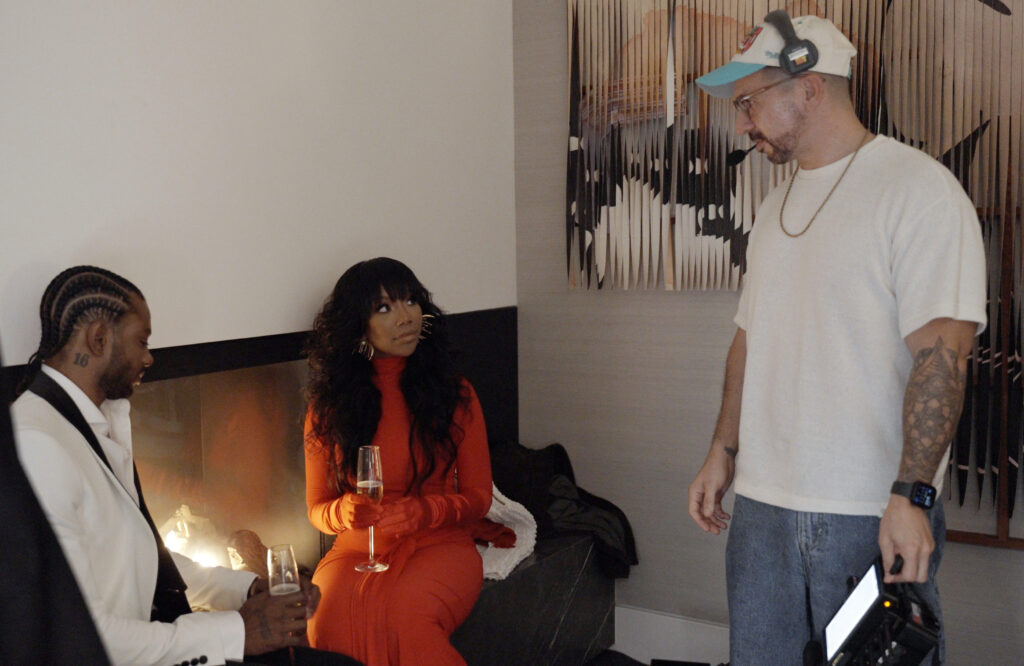
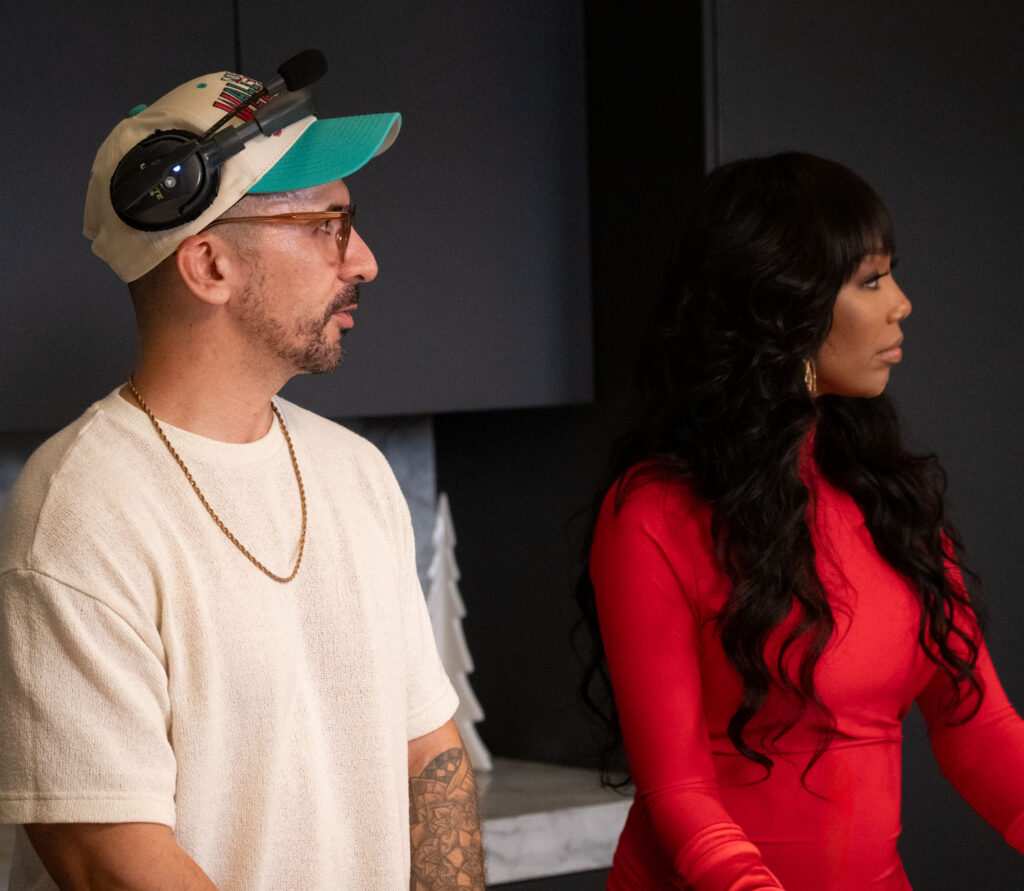
Go behind the scenes on the set of Brandy “Christmas Party for Two” with directors William Sikora III and Frank Gatson Jr. to see how the music video was made. “We really loved the classic, black and white aesthitic and Brandy mentioned it as well early in pre-production; we were all aligned on the vision.” Sikora said.

The music video features model Sean 

William Sikora III and Brandy Norwood Music video
William Sikora III and Brandy Norwood

Lighting Up Times Square

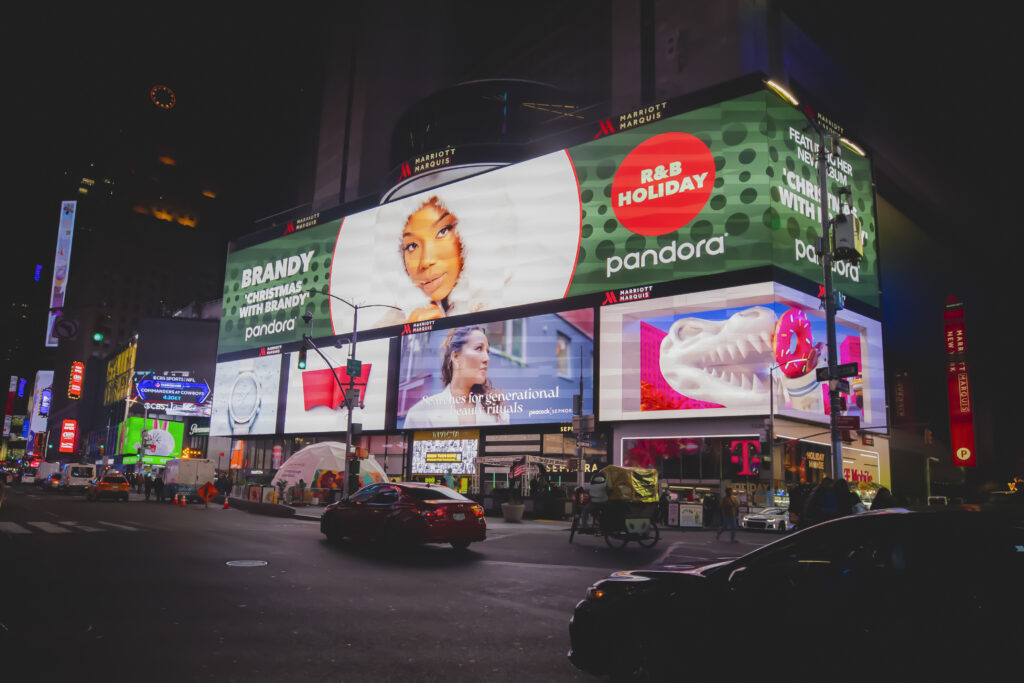
Times Square lights up with the release of Brandy’s “This Christmas” album. Sikora who worked on the photography for the entire album era said in a post on X: “I used to go to the McDonalds on 42nd St to get my $1 Chicken fajitas and a Butterfinger McFlurry, it was a cheap meal. Now, years later, my work is on massive screens in Times Square. Sheesh, I’ve come a long way, yet nothing has changed cuz I miss those dollar fajitas and Butterfinger McFlurries so much!”

Amazon Music and Pandora both featured towering images of Brandy promoting the release of her album.

Capturing ‘Christmas with Brandy’

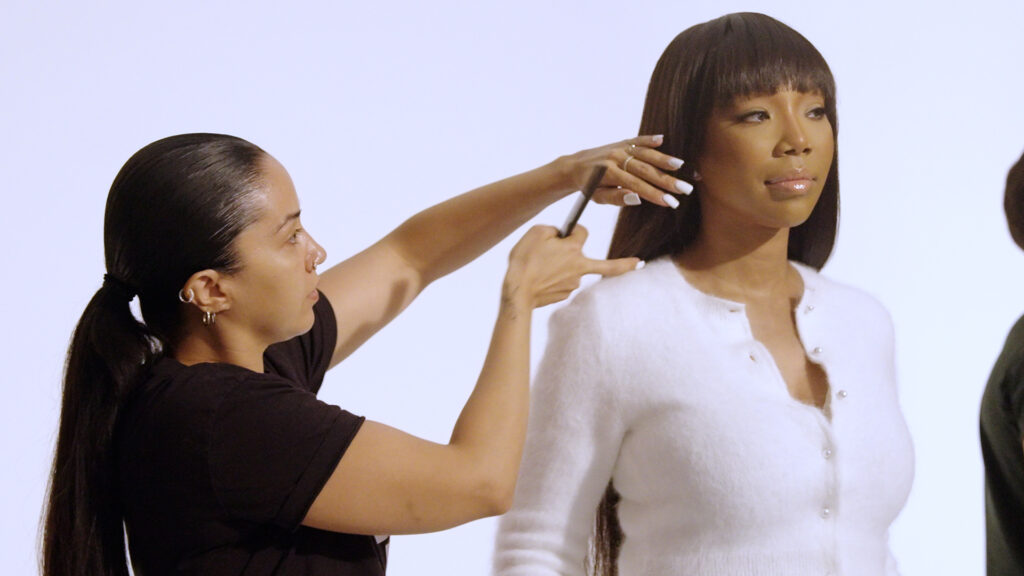
Go behind the scenes with Sikora on his latest shoot with Grammy Award winning singer, Brandy for her new album, “Christmas with Brandy”.

Working alongside Frank Gatson Jr. bringing the creative vision to life, Sikora set out to create a timeless image for the album art. “We really wanted something that was going to feel forever, we avoided that cliche jingle jolly vibe because we knew her album was going to be a different approach to Christmas music.” Sikora said. 

The album released on November 10 and features six original songs and six classics reimagined like no one else could do.